Medical advancements over the past few decades have significantly improved surgical procedures, making them less invasive and more effective. One of the most promising developments in this field is the use of medical laser technology. Lasers have revolutionized healthcare by enabling surgeons to perform precise, controlled, and minimally invasive procedures that reduce patient discomfort, minimize recovery time, and improve overall outcomes. From general surgery to specialized fields like oncology, dermatology, and vascular treatments, laser technology is shaping the future of modern medicine.
Minimally invasive surgery (MIS) has become the gold standard in many medical procedures because it reduces trauma to the body, minimizes the risk of infections, and enhances patient recovery. Traditional open surgeries often involve large incisions, significant blood loss, and longer hospital stays, whereas laser-assisted procedures offer smaller incisions, lower risks, and faster healing. As technology continues to advance, medical lasers are expected to play an even greater role in transforming surgical interventions, making them safer, more efficient, and widely accessible.
Minimally invasive surgery emerged as an alternative to traditional open surgery, driven by the need to reduce patient trauma and improve surgical outcomes. The early forms of MIS included laparoscopic and endoscopic procedures, which involved the use of small incisions and specialized instruments to perform surgeries. These techniques provided better visualization, less post-operative pain, and shorter hospital stays, setting the foundation for further advancements in surgical technology.
With the introduction of laser technology, the field of MIS took a giant leap forward. Unlike conventional surgical tools, lasers use high-energy light beams to cut, coagulate, and remove tissues with extreme precision. This allows surgeons to target specific areas without damaging surrounding tissues, resulting in less bleeding, reduced risk of infections, and minimal scarring. Over the years, lasers have been refined and adapted for use in various medical specialties, enhancing the efficiency and safety of numerous procedures.
Lasers have a broad range of applications in modern surgical procedures, making them an indispensable tool for healthcare professionals. The ability of lasers to deliver focused energy to targeted tissues with minimal collateral damage makes them highly effective in multiple medical fields. Some of the key areas where laser technology is transforming surgery include:
Proctology, the branch of medicine that deals with diseases of the rectum and anus, has benefited immensely from laser technology. Traditionally, conditions such as hemorrhoids, anal fissures, and fistulas required invasive surgical procedures that were often painful and required long recovery periods. Today, laser-assisted proctology offers a less invasive, highly effective alternative.
Laser treatment for hemorrhoids, known as HeLP (Hemorrhoidal Laser Procedure), involves using a laser to shrink the hemorrhoidal tissue without excision. This method significantly reduces pain, lowers the risk of post-operative complications, and accelerates healing. Similarly, laser fistula treatment helps in sealing the tract without extensive incisions, reducing the chances of recurrence and infection.
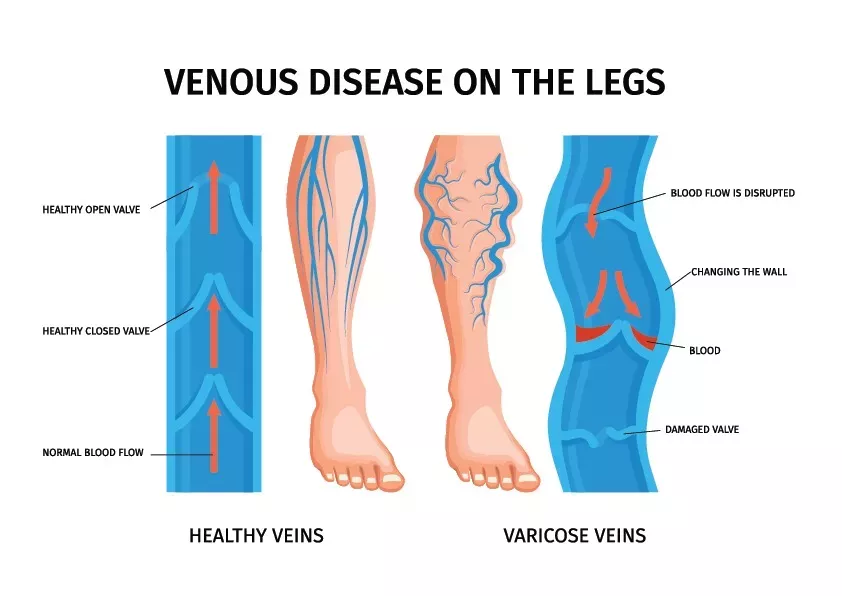
Varicose veins, which are enlarged and twisted veins often found in the legs, can cause pain, swelling, and skin discoloration. Traditional vein stripping surgery was the standard treatment for this condition, but it involved a long recovery time and significant discomfort. Endovenous Laser Therapy (EVLT) has emerged as a game-changing alternative.
EVLT involves the insertion of a thin laser fiber into the affected vein, delivering heat energy that seals the vein shut, redirecting blood flow to healthier veins. This procedure is minimally invasive, requires no large incisions, and allows patients to resume normal activities within a short period. The high success rate and low complication risks make laser therapy the preferred choice for treating varicose veins.
Cancer treatment has significantly advanced with the integration of laser technology. In oncology, lasers are used for tumor removal, photodynamic therapy (PDT), and palliative care. Unlike traditional surgical methods, which may involve removing large amounts of healthy tissue along with the tumor, laser surgery offers high precision and better preservation of surrounding structures.
Laser tumor removal is particularly beneficial in treating bladder, cervical, lung, and esophageal cancers, where it can be used to eliminate cancerous growths with minimal bleeding. Additionally, photodynamic therapy (PDT) combines lasers with light-sensitive drugs to destroy cancer cells without harming normal tissue. This non-invasive approach is gaining traction as a targeted and effective treatment for various types of cancer.
Laser technology has also made significant advancements in dentistry and ear, nose, and throat (ENT) surgeries. Dentists use lasers for cavity treatment, gum reshaping, root canal sterilization, and teeth whitening, reducing the need for anesthesia and improving patient comfort.
In ENT procedures, laser-assisted tonsillectomy and adenoid removal have become preferred alternatives to traditional surgical methods. These techniques reduce bleeding, lower post-operative pain, and enhance healing. Additionally, laser therapy for snoring and sleep apnea has shown promising results in improving airway function and patient quality of life.
For patients suffering from chronic pain, arthritis, or musculoskeletal injuries, low-level laser therapy (LLLT) has emerged as an effective non-invasive treatment. LLLT works by stimulating tissue repair, reducing inflammation, and enhancing circulation, helping patients manage pain without the need for surgery or medication.
This therapy is particularly beneficial for sports injuries, back pain, and joint disorders, allowing patients to recover faster and regain mobility. With ongoing research, laser-assisted pain management is expected to become an integral part of rehabilitation and physiotherapy treatments worldwide.
As laser technology continues to evolve, its integration with artificial intelligence (AI) and robotics is set to revolutionize the future of surgery. AI-powered laser systems are being developed to:
Additionally, the combination of 3D imaging and augmented reality (AR) with laser technology is expected to enhance surgical navigation and visualization, allowing for even more accurate and minimally invasive procedures. These advancements will further solidify laser-assisted surgery as the preferred choice for complex and delicate medical interventions.
Medical lasers are playing a crucial role in shaping the future of minimally invasive surgery, offering unparalleled precision, safety, and effectiveness. Their applications across proctology, vascular treatments, oncology, dentistry, and pain management highlight their versatility and growing importance in modern medicine.
As technology advances, AI, robotics, and imaging systems will further refine laser-assisted procedures, making them safer, faster, and more effective. The continued innovation in this field promises better patient outcomes, shorter hospital stays, and improved surgical success rates. The era of minimally invasive, laser-driven surgery is here, revolutionizing healthcare and paving the way for a future where surgeries are less invasive, more efficient, and widely accessible to all